Water Foundation · 4 / 9
What does it mean for water to be mild?
It's the same water, yet some water feels comfortable even after a long soak.
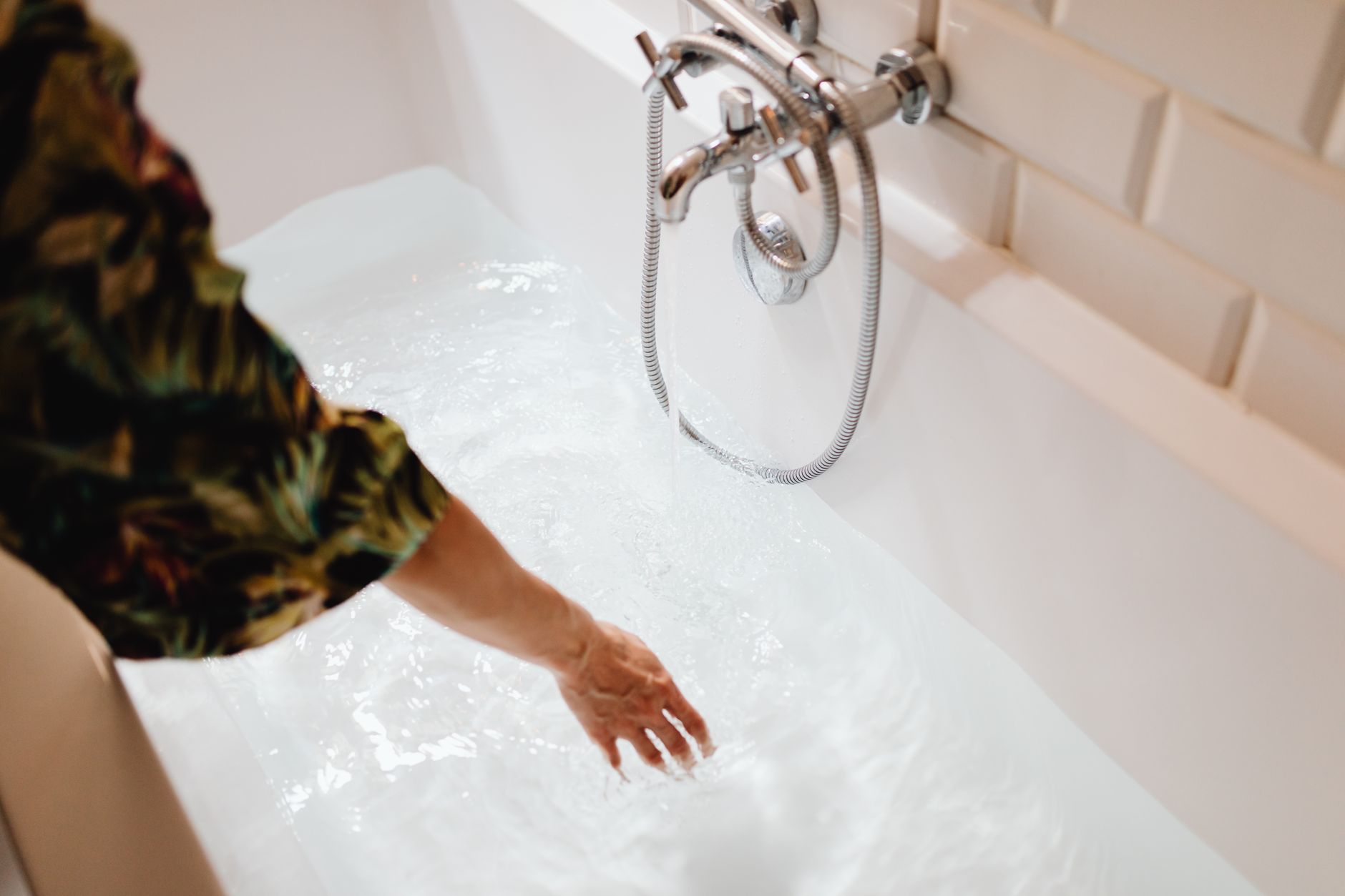
Sometimes, after playing in water, you might feel your skin is a bit tight. Conversely, in some water, even after playing for a long time, your skin feels smooth and comfortable. Why is there such a difference when it seems like the same water? It's because the "properties" of the water are different.
If previous parts discussed temperature and management, this time we will look into the inherent properties of the water itself. Although invisible to the eye and unmeasurable by a thermometer, it is the part your body feels first.
01Water Also Has a Character
Water is not just H₂O. Depending on where it has traveled, it contains different components. Groundwater, especially that which rises from deep underground, dissolves various minerals as it passes through bedrock. These components determine the feel and properties of the water.
When discussing water properties, acidity (pH) and hardness are frequently mentioned. pH indicates whether water is acidic or alkaline, and hardness refers to the amount of dissolved minerals like calcium and magnesium in the water. These two factors significantly influence how the water feels.
02The Smooth Feel of Alkaline Water
Groundwater generally contains more minerals than surface water. Water that has passed through bedrock layers like granite or limestone for a long time often exhibits alkalinity. According to geological data, groundwater that has passed through such bedrock often shows alkalinity with a pH of 8 or higher.
Water with strong alkalinity is characterized by a slippery feel when touched. When components like silica (silicate) are added, the sensation becomes even smoother. For reference, the silica concentration in natural water is usually less than 30 mg per liter, but this value tends to increase in water that has passed deeply through bedrock.
We want to make one thing clear here. We are not claiming that these components have any specific effects on the body. That is not an area we can arbitrarily assert. We are simply stating that the feel and properties of water genuinely change depending on its components, and these properties can be verified numerically. The judgment is always up to those who experience the water themselves.
03Verifying Water Properties with Numbers
Therefore, the most honest way to discuss water properties is to disclose the component values as they are. By verifying the pH level and the amount of various minerals through analysis by an accredited institution, one can objectively understand the properties of that water.
Places with good water do not hide these figures. Conversely, if they only repeat phrases like "good for the body" without disclosing the actual components, it's worth asking for clarification. Disclosing components and claiming health benefits are entirely different matters. The former provides material for judgment, while the latter attempts to make the judgment for you.
The way to feel the properties of water is actually very simple. It is to dip your hand in. Whether it's cold or warm, whether the feel between your fingers is smooth or stiff. Our bodies perceive in a few seconds what a thermometer or component list cannot tell us. Since even the same water feels slightly different to each person, the most accurate answer ultimately lies at your fingertips. Therefore, for the properties of water, we recommend verifying with numbers, but making the final judgment with your own fingertips.
04The Properties of Undam's Water
The water at Undam Park comes from deep underground bedrock. Analysis by an accredited institution shows that this water exhibits alkalinity with a pH of 8.92 and contains more minerals, including silica, than typical natural water. We believe that those who have directly experienced the water will best understand what these figures signify.
We have confirmed these analysis results through tests by the Korea Institute of Geoscience and Mineral Resources and the Gyeonggi Provincial Institute of Health & Environment, and we plan to disclose the contents without reservation. This is because we believe it is right to show the properties of the water with numbers, not just words. In the next part, we will discuss exactly where and from what depth this water originates.