Journey of Dedication · 6 / 7
Laying the Groundwork
Not noticeable but the most important construction work
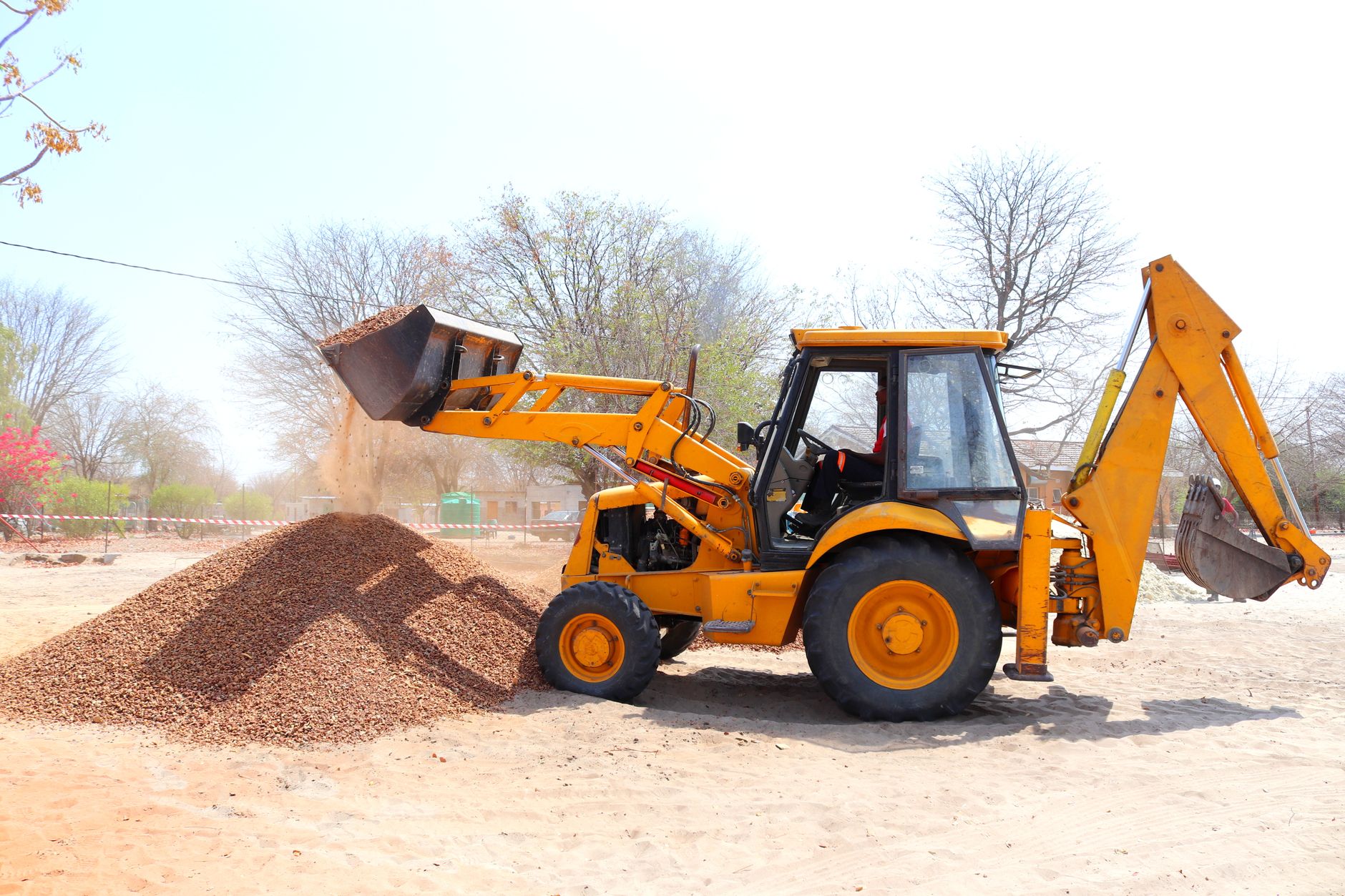
When people visit a completed facility, they don't wonder about the drainage system underground or the compacted ground. However, if the invisible construction work is poor, no matter how great the facility is, it won't last long. After encountering water, we began to refine the land to hold that water. This episode is about the most crucial construction work, compacting the ground, which may not be flashy but is essential.
01Order is Equal to Quality
There is a set order in civil engineering work. It starts with measurement, followed by leveling the ground, planning the drainage system, building the road, and finally, organizing the site. This order is not just a convention, but a necessary flow where one mistake can lead to the next.
The reason following this order is crucial is that it becomes increasingly difficult to fix mistakes as the work progresses. If the drainage system is poorly planned and the road is paved, discovering water accumulation later would require tearing up the road. Therefore, we didn't rush and instead proceeded step by step, checking each stage against the design plans. Resisting the temptation to hastily create visible parts was the first principle of civil engineering.
02Leveling the Ground
After accurately understanding the land's shape through measurement, we level the ground. This involves cutting down high areas and filling in low areas to create a flat surface.
This work is not just about making the ground flat. We must consider where to place the water playground, where to put the benches, and in which direction the water should flow when designing the ground's height. While it may seem like just moving dirt, it's actually drawing the blueprint for all the activities that will take place on this land.
03Creating a Path for Water to Flow
Drainage is especially important in water facilities. Since water is used, it's crucial to ensure that used water and rainwater can flow out smoothly.
There are standards to follow for drainage facilities. We must secure a minimum slope to allow water to flow, typically between 0.3 and 0.5 percent, to prevent water from accumulating. Failing to achieve this slope can lead to water accumulation, causing hygiene issues and freezing in winter, which can damage the facility. This tiny, invisible slope can determine the facility's lifespan.
04Building the Road
After compacting the ground and planning the drainage system, we build the road. This road is for visitors to come and go, as well as for construction vehicles. The road design includes its width, pavement specifications, and drainage, all of which require approval from the relevant authorities.
The access road leading to our site has already been widened to 7 meters. The distance from the 47th national highway to our site is approximately 1.2 kilometers, which is not too far from the main road but still quietly nestled in the foothills. The fact that the road is not rough and not crowded is thanks to this prior development.
05Invisible Dedication
Most of this civil engineering work will go unnoticed after completion. The compacted ground, underground drainage system, and leveled surface will just seem like a normal floor to visitors. However, creating this normalcy requires the most time and dedication.
We believe that dedicating ourselves to these invisible aspects is the key to building something that lasts. While a fancy exterior can be added later, a poorly compacted ground won't last long, no matter what's built on it.
Our extensive construction experience has been a significant help in this regard. Knowing from experience where water tends to accumulate and which types of ground can cause problems later, we can carefully work on the actual land conditions, not just following the numbers on the design plans. By doing it ourselves, we can pay attention to every detail, which might have been overlooked if left to others.
Now that we've completed compacting the ground, Undam has both water and land. In the next episode, we'll share the story of what we'll build on this foundation and what's to come.