Journey of Dedication · 5 / 7
Meeting Water
Until the true nature of this water was revealed
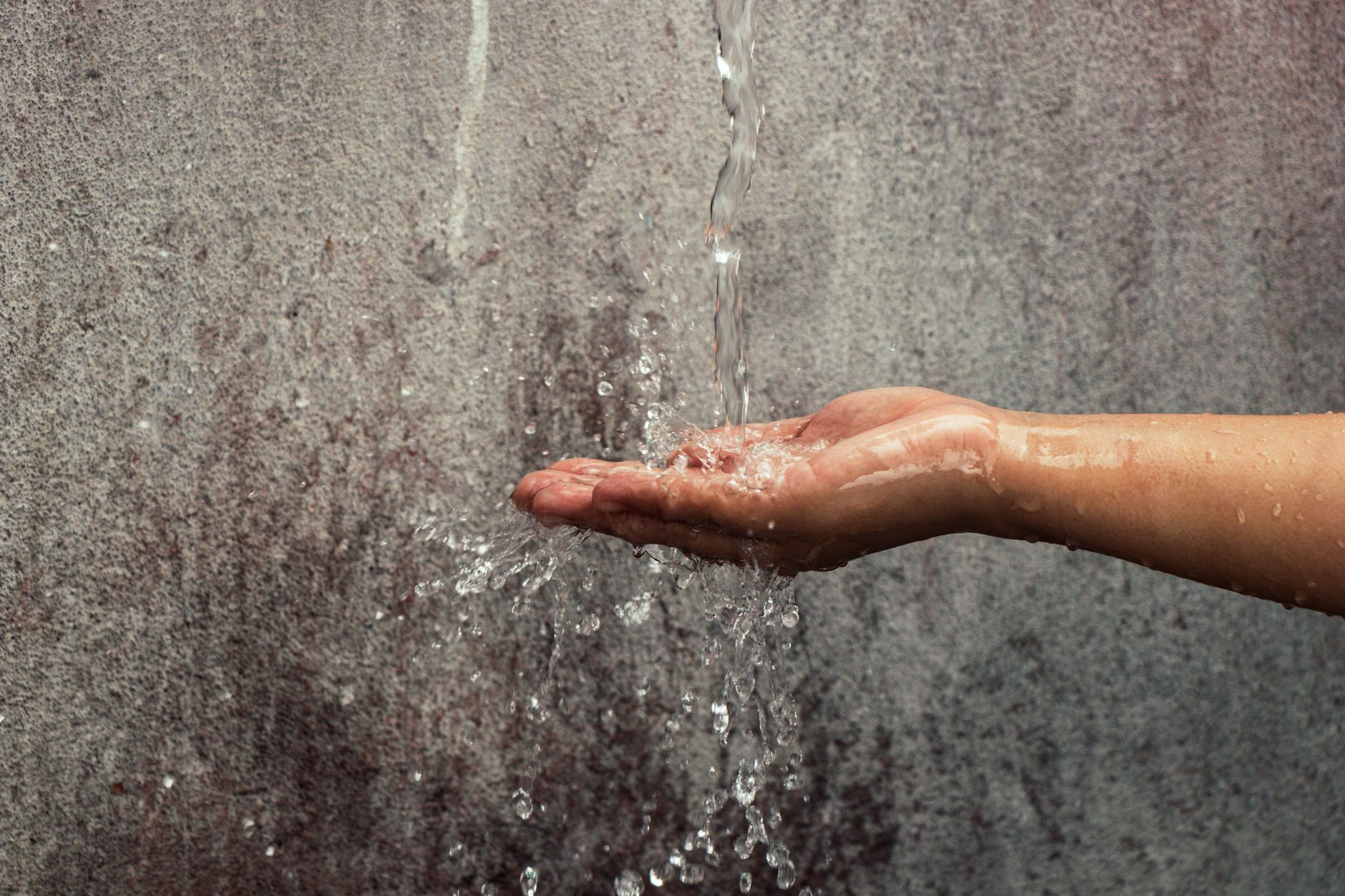
Just because we've found water doesn't mean we can immediately say it's "good water". The fact that water is coming out and what kind of water it is are two completely different stories. After pumping up water from 600 meters below, we had another important task ahead of us. That was to accurately identify the water. This episode is about the process of verification.
01Things You Can't See with Your Eyes
The water that has just come out of the ground just looks clear and warm. You can't see what kind of ingredients are dissolved in it, what the pH level is, or whether it's suitable for human use. The true nature of the water can only be revealed through testing.
We didn't want to say that the water is "good" on our own. That's something anyone can say, and it's not a credible claim. Instead, we decided to have the water tested by a certified institution to objectively verify its identity. We thought it would be better to let the test results speak for themselves rather than asking people to take our word for it.
02Leaving It to a Certified Institution
Analyzing the composition of groundwater is not something that just anyone can do. You need to send a sample to a testing institution recognized by the government and have it analyzed according to established methods. We collected a sample of the water and had it tested by a certified institution.
This process is important because there's a big difference between a business claiming that their water is a certain way and a government-recognized institution providing test results. The former is just a claim, while the latter is evidence. We wanted to have evidence from the start. That way, when we talk about the water in the future, we can show you the documents instead of just making claims.
03The Day the Sample Was Collected
Water quality testing starts with collecting a sample. We measured the temperature of the water that had just been pumped up, carefully filled a sample bottle, sealed it, and sent it to the testing institution. The future of our business was riding on those few small bottles, so we couldn't afford to be careless.
The wait for the test results was a different kind of tension than waiting for the drilling to be completed. Now that we had found water, the question was what kind of water it was. It could be ordinary or special. The time it took to get the answer seemed to drag on.
04Verified Facts
The test results showed that the water had properties that exceeded our expectations. The pH level was alkaline, and it contained a rich amount of minerals, including silica, compared to ordinary natural water. The numbers proved that the water had flowed through deep rock formations for a long time.
These results weren't something we made up; they were confirmed by tests conducted by the Korea Institute of Geoscience and Mineral Resources and the Gyeonggi-do Institute of Health and Environment. We have kept the test results as is and made them public on our website under "The Basis of the Water". If you're curious about the properties of the water, you can check the numbers for yourself.
05The Direction of the Business Set by the Water
The test results not only confirmed the identity of the water but also set the direction for our business. Once we knew that we had a plentiful supply of such high-quality water, we were able to plan what we could do with it. We could offer a water play area with fresh water changed daily, or operate a facility with temperatures adjusted according to the season. All of these plans were made possible by the water.
One thing we want to make clear is that we're not claiming that the water has any specific health benefits. That's not something we can definitively say. All we can provide is the test results, which show what kind of ingredients the water contains and in what quantities. What those numbers mean is something that each person can experience for themselves by getting in the water.
After finding the water and verifying its identity, we were finally able to turn our attention to the work above ground. Now that the biggest question about the water had been answered, it was time to create a container for it. In the next episode, we'll tell you about the civil engineering work that prepared the site and laid the groundwork.