Journey of Dedication · 4 / 7
Digging 600 meters deep
The construction that decided this project's fate
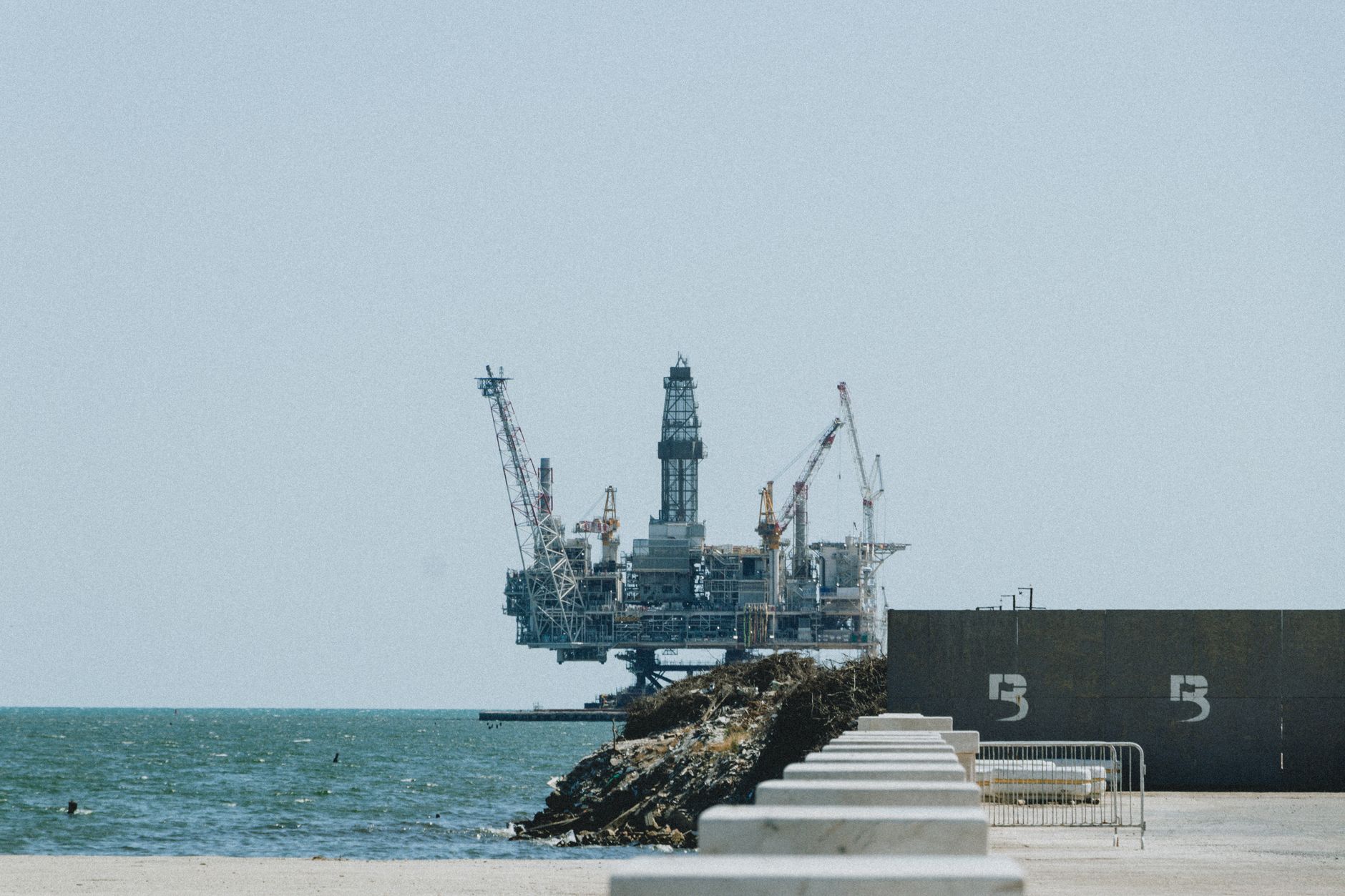
Everything about Undam Park hinged on this one project. The question was whether we could drill deep enough to find usable water. If we couldn't, all our preparations would be for nothing, making this a crucial project that would determine the success or failure of our business. In late autumn 2022, we began drilling into the ground.
In this section, we'll explore the process of this project. Developing deep groundwater generally follows a set procedure, and our project was no exception. We'll examine the flow of events and what happens when working with the unseen underground.
01Before Drilling, We Investigate
Drilling for water isn't as simple as just digging anywhere. We need to find a location where water is likely to be found. That's why we conduct a physical survey before starting the project. By sending electricity through the ground and measuring the resistance (using electrical resistivity tomography), we can gauge where underground water flows might be.
We consider the geological data of the area and the conditions under which water flows, and then determine the best location to drill. Since we're working with the unseen underground, this preparation process is crucial – it's half the battle. Many judgments are made before the first shovel breaks ground.
02Heading Towards Solid Rock
Once the location is determined, the main drilling begins. The initial soil and soft layers are relatively easy to penetrate. The challenge lies in the solid rock that awaits below.
As we transition from soft layers to solid rock, our drilling method changes. The tools used for digging soil can't penetrate rock, so we switch to a method that involves breaking through the rock. We drill vertically, layer by layer, to the planned depth. Drilling through 600 meters of solid rock is a slow and arduous process that can't be completed overnight.
03Preventing Collapse and Contamination
As we drill deeper, there are many things to consider. Soft layers can collapse and block the hole if left unsupported. To prevent this, we insert a casing – a pipe that supports the walls and prevents collapse. The size and placement of the casing depend on the strength of the surrounding rock.
After installing the casing, we perform grouting work. We fill the space between the casing and the ground with cement-like material to secure the casing in place and prevent contaminated water from the surface from seeping in. This is an important process that protects the deep water we've worked hard to find from shallow contamination.
04Awakening the Well
Even after drilling to the planned depth, we can't immediately use the water. The hole still contains fine soil and clay from the drilling process. We use a process called air lifting to blow strong air through the hole and clean it out.
Next, we install a pump and conduct a pumping test. By drawing water up, we measure the stable water level and determine how much water can be used per day. This test provides the most practical answer to the question of how much water we can use.
05Finally, Water
After drilling around 600 meters into the ground, we finally found water. It was a gentle, warm water that had been hidden beneath the solid rock for a long time. The pumping test results showed that we had a plentiful supply of water.
The sense of relief we felt when we found the water is hard to put into words. The tension that had been building up around this project was finally released.
We're sharing the details of this drilling process for a reason. When our guests soak in the water in the future, we hope they'll understand that it's not just ordinary tap water. The water comes from 600 meters underground, where human hands have never touched, and has been brought up through solid rock. If our guests remember that this water was obtained through countless days of work and judgment, perhaps they'll appreciate it in a different way.
However, finding the water wasn't the end of the story. We still needed to determine the characteristics of the water and what it contained. In the next section, we'll share the story of how we sent the water to a certified institution for testing.